
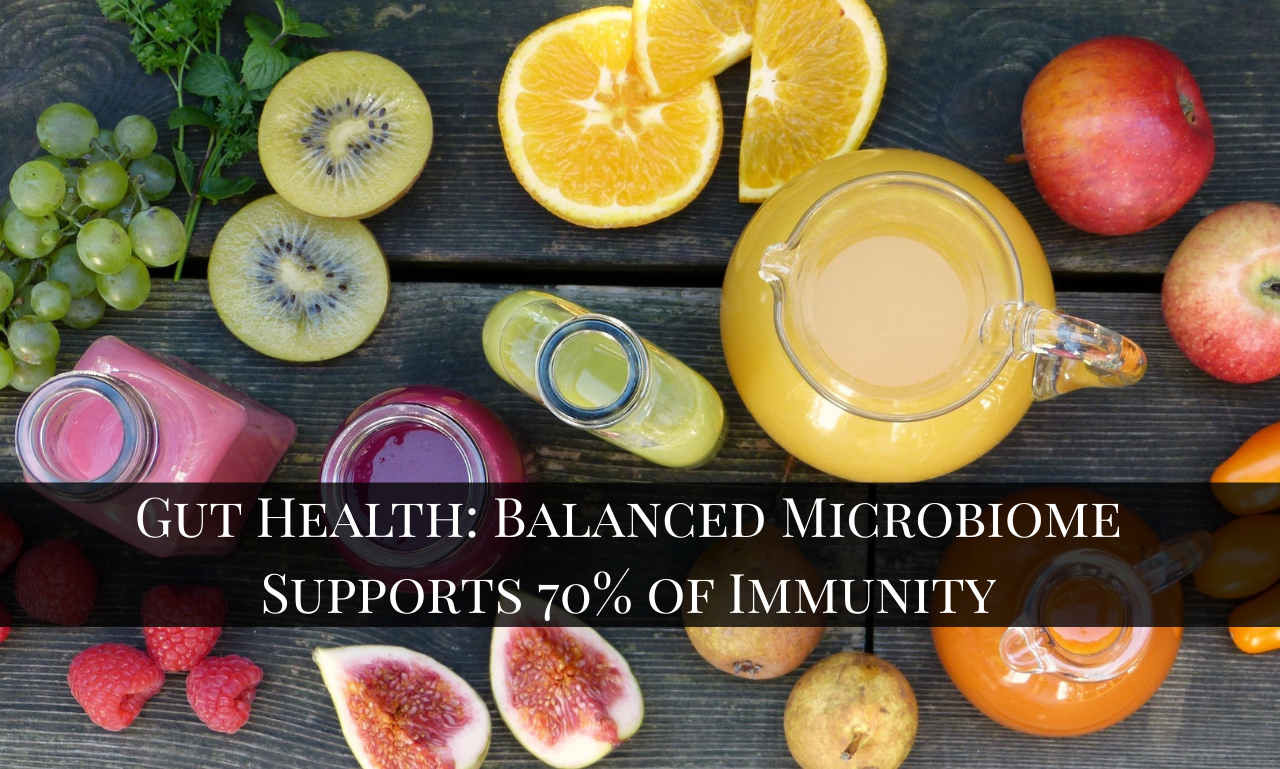
Protect your immunity by nurturing your gut. Explore digestion, microbiome care, and lifestyle tips for stronger immune function and overall health.
There is far more to digestion than simply breaking down food. It gives your cells energy, shapes your mood, and energizes your immune system.
The gut microbiome is a vast ecosystem of bacteria, fungi, and other microorganisms that reside in your digestive tract. Feeding this ecosystem with the appropriate nutrients benefits almost all of the systems in your body.
Indeed, approximately 70- 80% of the immune system activity occurs in the gut. That alone is justification for addressing digestion and the health of the microbiome every day.
In this article, you will learn how digestion works, why your microbiome matters, and how to feed it for stronger immunity and better overall health.
What Is Digestion and Why Does It Matter?
Your mouth initiates the digestion process, which then continues in your stomach and intestines. Your body breaks down food into nutrients such as fatty acids, vitamins, minerals, and amino acids. These nutrients enter your bloodstream and help with hormone regulation, tissue repair, and energy production.
You properly absorb nutrients when your digestive system functions well. You may suffer from bloating, constipation, diarrhoea, exhaustion, skin issues, or recurrent infections when it struggles to process nutrients. An unbalanced gut microbiome is often the cause of poor digestion.
Understanding the Gut Microbiome
Your large intestine is home to trillions of microorganisms that make up your gut microbiome. In addition to producing vital vitamins such as B12 and K, and short-chain fatty acids that help shield the intestinal lining, these microbes aid in the digestion of fibre. The microbes perform essential functions that the body cannot do on its own. They help break down complex carbohydrates and protect the gut from harmful pathogens.
Numerous helpful bacteria are present in a balanced microbiome. These bacteria control inflammation by driving out dangerous microorganisms. The gut lining becomes irritated when dangerous bacteria take over. This imbalance can raise the risk of disease and impair immune response.
70 – 80% of Immune Activity Takes Place in the Gut
Your gut plays a major role in your immune system. Your intestinal walls are lined with specialised immune cells. These cells and gut microbes are always interacting. They work together to determine how your body reacts to danger.
Your immune system is trained to respond appropriately when your microbiome remains balanced. These microbes help train immune cells to distinguish between harmful and harmless substances, prevent the growth of pathogenic bacteria and help strengthen the intestinal barrier. This balance reduces the risk of allergies, autoimmune conditions, and chronic inflammation.
How to Feed Your Microbiome Properly
Although you can’t see your microbiome, you can make daily dietary choices that affect it. Certain nutrients are necessary for the growth and operation of beneficial bacteria.
1. Eat More Fibre-Rich Foods
The good gut bacteria use fibre as fuel. Short-chain fatty acids are created when bacteria ferment fibre, strengthening the intestinal lining and lowering inflammation.
Add foods like:
- Leafy greens
- Broccoli
- Carrots
- Apples
- Berries
- Lentils
- Chickpeas
- Oats
- Quinoa
- Brown rice
- Nuts and seeds
Aim for a variety of plant-based foods each week. Greater variety increases microbial diversity, which supports stronger immune resilience.
2. Include Fermented Foods
Fermented foods introduce beneficial bacteria into your gut. These foods help replenish and balance your microbiome.
Consider adding:
- Yoghurt with live cultures
- Kefir
- Sauerkraut
- Kimchi
- Pickles fermented in brine.
- Miso
Choose options without excessive added sugar. Regular consumption can improve digestion and support immune balance.
3. Limit Processed and Sugary Foods
Highly processed foods and refined sugars feed harmful bacteria. These foods promote inflammation and disrupt microbial balance.
Reduce intake of:
- Sugary drinks
- Packaged snacks
- Fast food
- Refined white bread
- Excessive artificial sweeteners
When you replace processed foods with whole foods, beneficial bacteria gain an advantage.
4. Stay Hydrated
Water supports digestion and helps move fibre through the intestines. Proper hydration prevents constipation and maintains a stable gut environment.
Drink water consistently throughout the day rather than relying on large amounts at once.
5. Manage Stress and Sleep
Chronic stress alters gut bacteria and weakens immune function. Poor sleep disrupts microbial balance and increases inflammation.
Practice stress management through:
- Deep breathing
- Regular exercise
- Prayer or meditation
- Time outdoors
Aim for 7–9 hours of quality sleep each night. Your microbiome responds positively to consistent sleep patterns.
Signs Your Microbiome Needs Attention
Your body often signals when your gut requires support. Watch for:
- Frequent bloating or gas
- Irregular bowel movements
- Brain fog
- Skin breakouts
- Low energy
- Repeated infections
Addressing digestion early can prevent more serious health issues later. Small dietary and lifestyle changes can restore balance over time.
The Gut-Immune Connection and Long-Term Health
Nurturing a thriving microbiome offers benefits that go far beyond digestive comfort. A well-fed gut helps reduce systemic inflammation, sharpen mental focus, and fortify your immune system. In fact, scientists are actively investigating the link between gut bacteria and major health challenges, including diabetes, obesity, depression, and autoimmune diseases.
Approximately 70-80% of your immune activity takes place in the gut, prioritising digestive health is supporting your body’s primary defence system.
This means every meal is a chance to bolster your resilience. When digestion is efficient, nutrient absorption improves, fueling the immune cells that protect you from infection and chronic illness. Ultimately, your first line of defence starts on your plate.
Final Thoughts:
Think of your gut as the command centre for your overall well-being. It does far more than process food; your microbiome powers your immunity, regulates inflammation, and even dictates your energy and mood.
To build true resilience, make gut care a daily habit. Focus on fibre-rich whole foods, stay well hydrated, incorporate fermented foods, and cut back on processed foods. Don’t forget to manage stress, either. By nurturing your digestion, you’re fortifying your body’s defence system from the inside out.